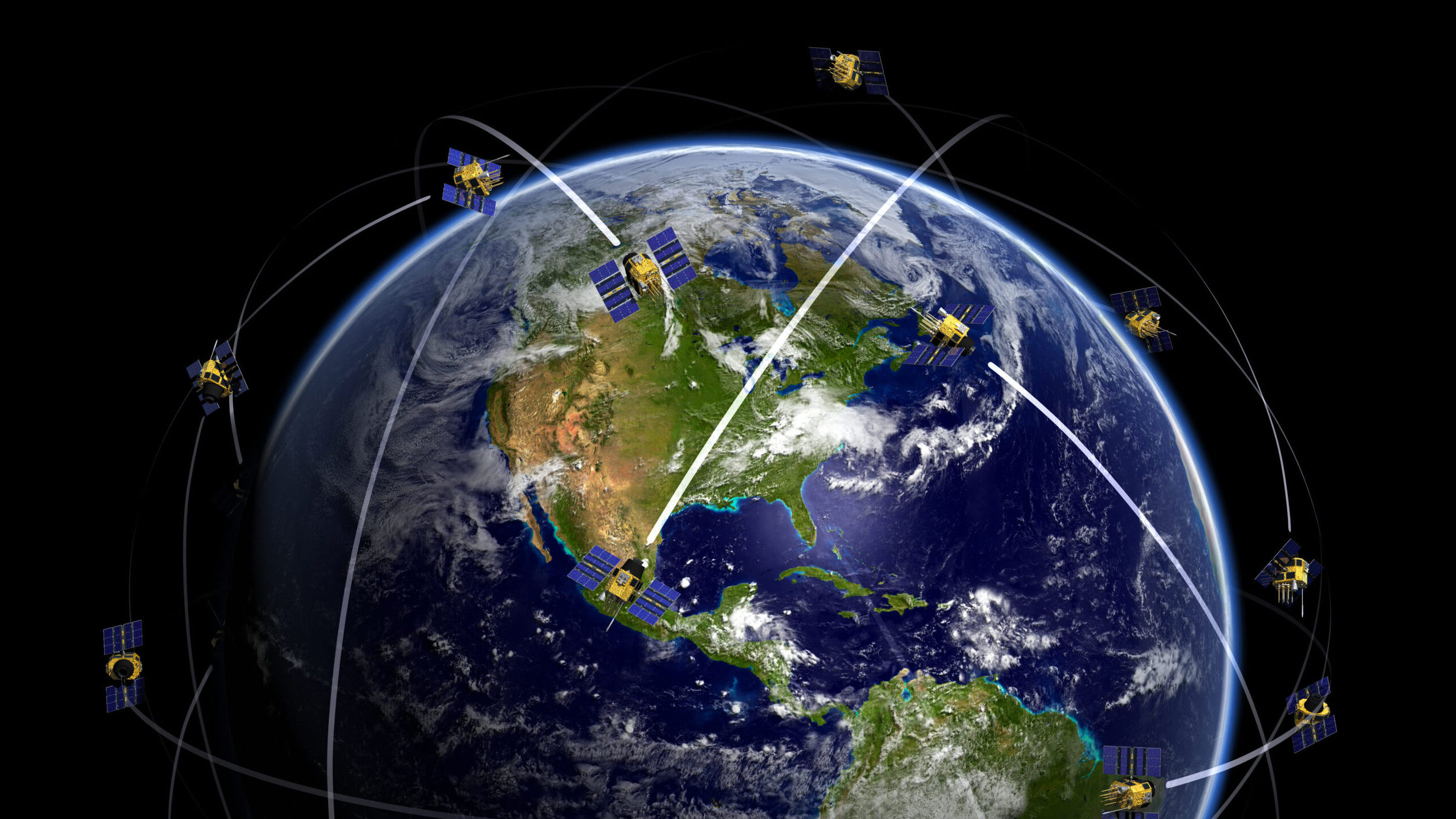
Project Hecate: The Space Force’s quiet effort to keep GPS survivable after 2040
Meanwhile, the Space Warfighting Analysis Center is pushing the use of signals from communications satellites in low Earth orbit as a near-term alternative to GPS.
Meanwhile, the Space Warfighting Analysis Center is pushing the use of signals from communications satellites in low Earth orbit as a near-term alternative to GPS.

"Futures Command is dead," one Pentagon official said bluntly.


Decentralized Embodied Collaborative intelligence enables better reconnaissance, logistics and combat capabilities.

Col. Robert Davis, program executive officer for SSC's Space Sensing Directorate, told the National Security Space Association today that the SWAC study might affect how follow-on satellites are designed and, perhaps, hardened to radiation.

Lt. Gen. Shawn Bratton, who has been charged to establish the new Space Force Futures Command, said cislunar and dynamic space operations are areas for the command's scrutiny, since neither have yet proven their 'military utility."
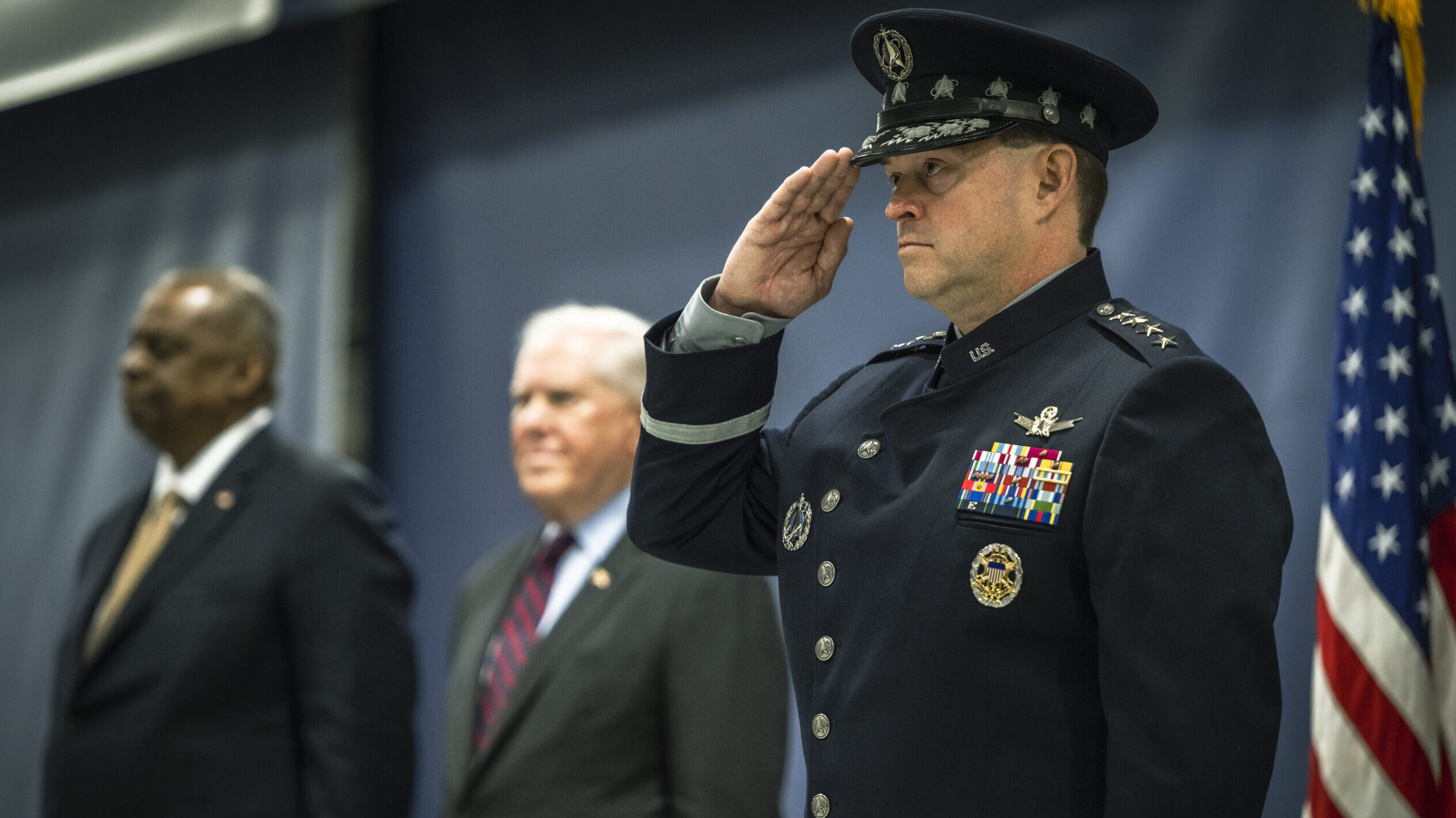
Chief of Space Operations Gen. Chance Saltzman said the new Futures Command will not just be looking at what new capabilities the Space Force should build, own and operate, but also at how commercial tech, systems and services can fill some needs.

The space operations chief wants systems that can gather "exquisite, high fidelity information about what's going on" in geosynchronous Earth orbit "and beyond," more sensors in the Southern Hemisphere to keep an eye on low Earth orbit and — critically — a better way to fuse data.

Traditional thinking about how to protect facilities must adapt to new threats such as drones or downstream attacks.

America's space operators need to "get to the point of how do we responsibly... deter conflict that nobody wants to see, but if we do see it, demonstrate our ability to win?" said Maj. Gen. David Miller.

"The outernet is the internet taken to space," Col. Eric Felt, of the Department of the Air Force's space acquisition office, said today.

Col. Rich Kniseley, newly appointed as the head of SSC's Commercial Space Office, told Breaking Defense on Wednesday: "I'm hoping to deliver a framework to leadership this summer."

While there's broad support on the Hill for space operations, long-time space budget guru Mike Tierney says language in recent policy and appropriations bills suggests lawmakers want Space Force and the Pentagon to "show their work."


Lithium-metal batteries are one way to break the weight and endurance limits of today’s unmanned systems.
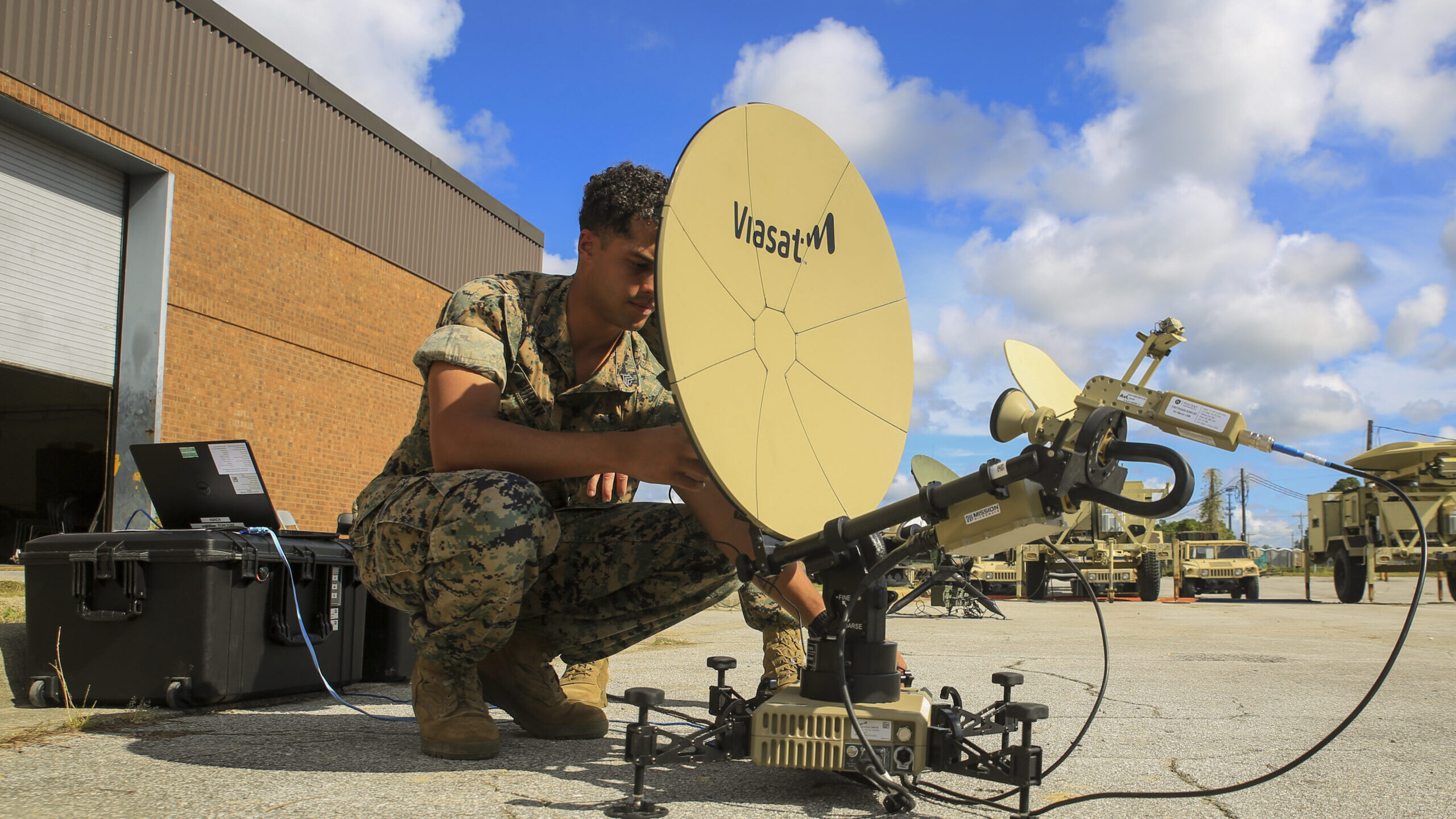
Commercial SATCOM providers have long urged DoD and the services to move from buying bandwidth in fits and starts using short-term contracts to service-style contracts that resemble a civilian’s average mobile phone or cable TV/Internet plan.

The Defense Innovation Unit in FY22 awarded $203 million in prototype contracts across 165 vendors, started 52 new projects and saw a 47 percent increase in the total number of companies competing for a contract, according to DIU's annual report.
The new plan is broken down into three imperatives: integrating data management, automating resource allocation and fusing situational awareness.

In somewhat of a surprise, the HASC provision to force the Space Force to create a Space National Guard was stripped from the bill in the negotiations between the two sides of Capitol Hill.